
Insights
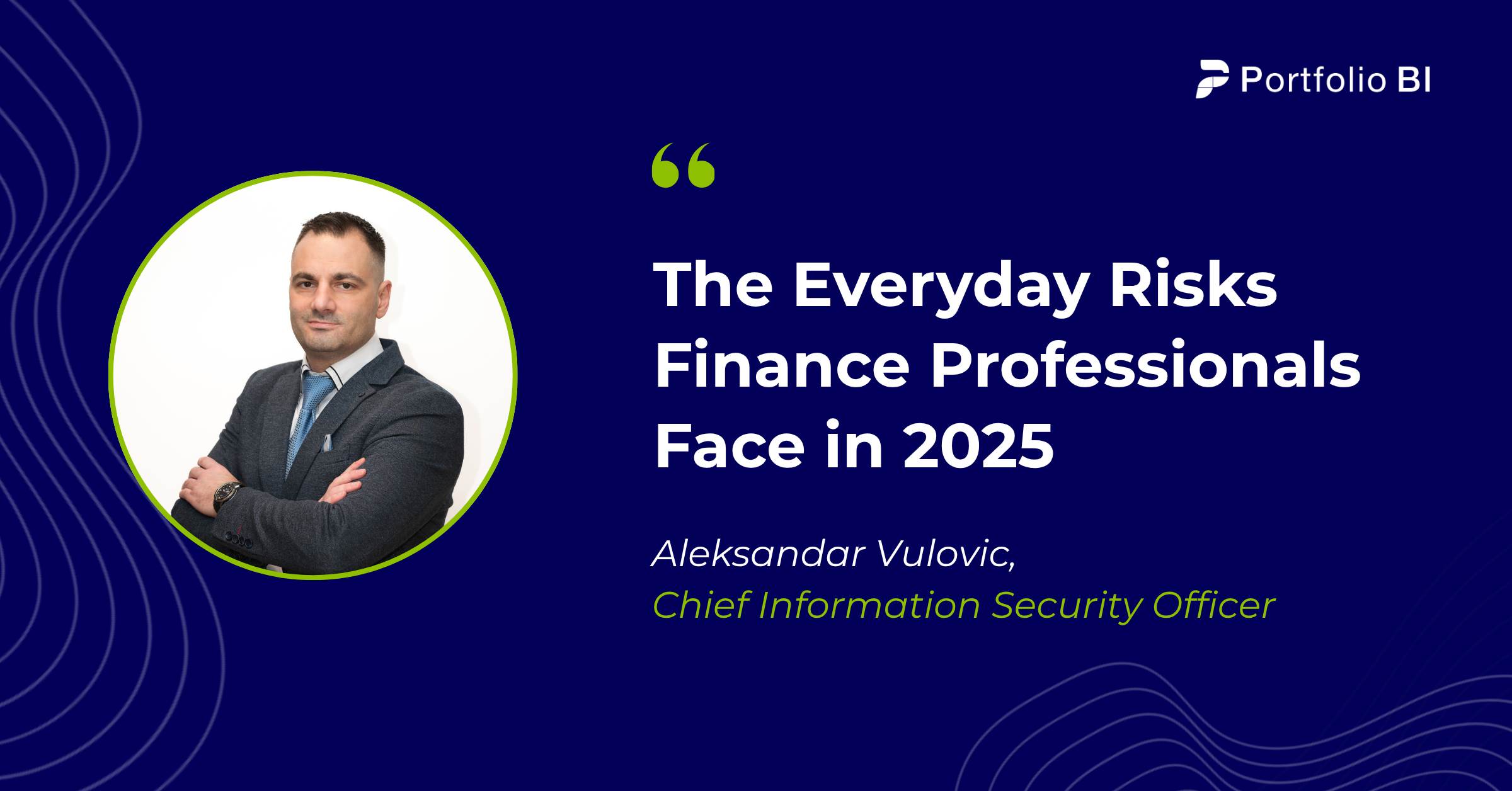
In the financial sector, remote and hybrid work are no longer temporary solutions. They’re now part of the operating model. But while we’ve invested heavily in cloud systems, collaboration tools, and flexible working practices, our cybersecurity habits at home have not always kept pace.
Attackers are well aware. In fact, household networks, shared devices, and personal browsing habits have become some of the easiest entry points for cybercriminals looking to move laterally into corporate systems. Here are the most common risks finance professionals face when working outside the office and how to address them before they escalate into costly breaches that threaten not only your data, but also your company’s reputation, regulatory standing, and client trust.
1. Working from Home: The Double-Edged Sword
The convenience of a home office hides real dangers. Insecure Wi-Fi routers, shared family networks, and unpatched IoT devices (from smart speakers to children’s tablets) can all act as gateways for attackers. Weak or reused passwords only make the problem worse.
Quick fix: Change your default router credentials, enable WPA3 encryption, and route sensitive traffic securely wherever possible. Segment your home Wi-Fi. One network for work, another for personal devices. Enable multi-factor authentication (MFA) on all work-related accounts to prevent unauthorized access, even if credentials are compromised.
2. Device Sharing: Small Favor, Big Risk
Letting a family member borrow your corporate laptop might feel harmless, but it opens the door to accidental exposure. Whether it’s a child downloading a game or someone installing unapproved software, the risk of malware and policy breaches is high.
Quick fix: Never share your corporate devices or credentials. Keep them strictly for work, and if you need to share, provide access via a secure, approved personal device instead. If using personal devices for work, ensure they comply with your firm’s BYOD policy and have endpoint protection installed.
3. Weak Private Device Hygiene
Unpatched software, outdated operating systems, and lack of endpoint protection remain among the biggest culprits for breaches. Attackers target known vulnerabilities, and without regular updates or active antimalware, it’s like leaving the office doors unlocked.
Quick fix: Enable auto-updates for all software and firmware. Use trusted antimalware solutions and disable unnecessary services or ports. Regular hygiene is the simplest, most effective barrier against attack.
4. Phishing & Social Engineering: The Human Factor
While technology has advanced, human error remains the weakest link. Spear phishing emails, fake security alerts, and increasingly, malicious QR codes (“quishing”) target professionals outside the safe bubble of office IT. The goal is credential theft, malware installation, or unauthorized access to systems.
Quick fix: Stay alert to unusual links and attachments, even if they look legitimate. Complete regular cybersecurity training and use only company-approved browser plugins. Avoid scanning QR codes unless you know their source.
Remote work isn’t going away, and neither are the risks. But cybersecurity doesn’t require paranoia. It requires preparation. By applying a few simple habits to your day-to-day working life, you significantly reduce your exposure, protect your clients, and preserve your firm’s trust.
At Portfolio BI, we believe security is strongest when it’s practical. That’s why we’ve created a Remote Work Security Checklist to help professionals build safe habits into their daily routines.
[Download the checklist here and share it with your team.]
For more tailored cybersecurity guidance, feel free to get in touch with us at Portfolio BI.


